

Did you know? Artificial fragrance is a major public health concern. And, it’s in everything.
We often associate a good smell with cleanliness, health and wellness. Fragrance is in everything we use from toiletries, laundry and cleaning products, cosmetics and more. It’s even used in marketing, hotel lobbies, spas and other public spaces. Fragrance is used in products to mask the smell of other unpleasant scents from chemical ingredients in the same fashion it is used in bathrooms. If we perceive something smells good, we have been lead to believe it is clean, safe and even good for us.
Nothing could be further from the truth. There is a massive lack of transparency in the world of fragrance ingredients
As a premium aromatherapy company that uses only pure, natural essential oil and as an advocate for a clean & healthy world, AromaWell feels compelled to share these 5 important facts so you can make informed choices for yourself and those you love.
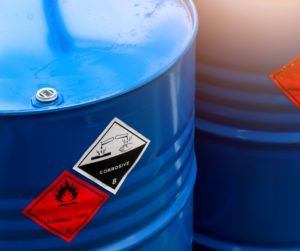 1. The Home & Business Scenting products on the market are Chemical Companies
We hate to break it to you, but a lot of the trending home scenting products on social media are nothing more than glorified air fresheners. The method of delivery may range from an innovative plug-in, elegant reed diffuser or even a fancy machine with BluTooth but the truth is that the “fragrance oil” they use is comprised of the same chemicals in a can of cheap air freshener. Some of the most popular home and business scent companies include Scent Air, Hotel Scent, Aroma360, Scentment, AirScent, Intelliscent and even Pura and Enviroscent (more about misleading marketing below).
2. The fragrance industry uses chemicals linked to dangerous health effects including cancer and birth defects
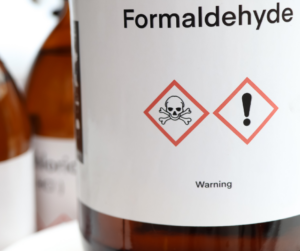 According to the Environmental Working Group there are over 4,000 petrochemicals used in artificial fragrance. 95% of these fragrance chemicals are linked to negative short and long term health effects including headaches, sinus and respiratory conditions, hormone disruption, birth defects and even cancer.
One thing we all must do is breathe. Why on earth would we fill our living and working spaces with something that has long-term documented health effects?
3. The fragrance industry is unregulated.
 Although companies are required by law to list all chemicals ingredients in a product, a special loophole allows them to hide what’s in the “fragrance”. Remember those 4,000 synthetic fragrance petrochemicals? All of them can hide under one word. If you see “Fragrance” or “Parfum” on the label – take heed. What’s hidden in these simple words can include complex mixtures of up to hundreds of chemicals that studies show may be linked to all the aforementioned health concerns.
If that wasn’t a bad enough, this might make your cringe: The United States allows dangerous fragrance chemicals that are banned in other countries into products sold in the U.S. More than 1,200 fragrance chemicals currently in use are considered “chemicals of concern”, seven of which are carcinogens (cancer causing). At least 15 of those chemicals are prohibited from use in the EU and others yet are included on various International warning lists.
4. “Clean Fragrance” isn’t clean.
Be wary of fancy marketing terms like “Clean Fragrance” and “Natural Fragrance” that have recently hit the market. Chemical companies know there is growing concern over the dangers of synthetic fragrance. Despite the premium you might be paying to have a home that smells like the Westin, these fragrance oils are cheap to manufacture (often overseas) and companies are resistant to change/level up. Instead, they use misleading language to make us believe their products are safe.
 We recently sat down with a manufacturer of “clean and natural fragrance” to gain a better understanding of this new term. Clean Fragrance is still synthetic although it may contain a mix of synthetic and natural chemicals allowing companies to use words like “natural” on the label (see our. next point on sneaky marketing tactics).
What makes it different we asked? Major toxins with a bad rep such phthalates linked to hormone and reproductive issues and cancer have been removed. However, they still contain synthetic fragrance and other chemicals. Our source notes the chemicals used either have little data linking their use to negative health effects, have not been studied yet or could be new designer chemicals without long-term data. Well, keep in mind there was a time when we didn’t understand how dangerous phthalates were, too.
5. Fragrance companies have massive marketing budgets and use misleading tactics including “greenwashing” to suggest their products are safe.
Greenwashing is a term used when companies make exaggerated or unsubstantiated claims about their products to imply they are clean and safe for the environment. The term was coined in the 1980s by environmentalist Jay Westerfield, referring to when a hotel asked its guests to reuse towels to support the environment while at the same time planning a massive expansion that would impact the environment.
One of the best examples of Greenwashing is the Chevron campaign from the mid-1980s featuring cute animals in habitats they were restoring due to the environmental impact of oil exploration. Greenwashing always has a small element of truth, but often to cover up something that could be damaging to the brand.
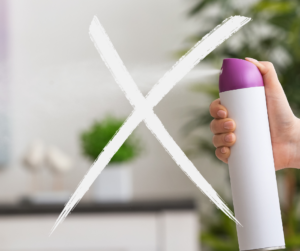 Greenwashing is especially prevalent in the fragrance industry. A great example is Febreeze, a known air freshener riddled with chemicals to mask odors on fabrics in our home. Febreeze has a product with Lavender front and center on it’s label, but it is still full of all the harmful chemicals. The same goes for Glade, Airwick and many others.
Companies also use terms like “No Animal Testing” or “Cruelty-Free” on their products but the individual ingredients in their formula have all been tested on animals as this is how the safety and toxicity studies are performed. And, if not – how do they know they are safe for humans?
Some other terms are “non-toxic”, “pet-safe”, “child-safe”, “hypoallergenic”, “vegan”, “cruelty free” and so the list goes on. Companies will even use fancy terms most consumers don’t understand like “IFRA Compliant”. The IFRA is the self-regulating fragrance industry that allows all those pesky chemicals into hidden formulations so what does that even mean?
Companies load up on happy terms like this yet they will not disclose their ingredient list and their products come with plenty of warnings about toxicity. They tap into the consumer’s emotions with these terms and take advantage of our ignorance of their industry. Meanwhile they bombard us with ads on social medial with influencers telling us our home should smell like a hotel and buried in the fake reviews and comments are real humans with real concerns about the major public health concerns. We reached out to one company asking for their ingredient list to make sure their product was safe for our family and they told us it was protected under “trade secret”. Not cool.
The solution? Premium aromatherapy formulas from a trusted source.
As the power and value of scent is better understood it continues to be used in new and innovate ways along side our every day desire to have dwellings and bathrooms that smell good. This means we need to be keenly aware of what we’re using because we and our loved ones have to breathe.
The good news is that humans have been breathing plant aroma (essential oils) from plants since our time on Earth began. Most of them are not only safe to breathe, but are good for us too – as long as they are 100% pure and authentic. Aroma from trees supports our respiratory system, florals support our mood, citruses are good for our immune system – and so much more.
AromaWell creates premium aromatherapy blends that are safe, healthy, therapeutic and smell amazing. Our entire ingredient list is always fully disclosed on our label. We supply the latest technology for home and business scenting with and offer consulting, bespoke formulation and more for commercial and enterprise aromatherapy. As humans, we get to consciously choose how what we eat, listen to, put on our bodies and watch/read – we should have the right to breathe healthy air at home, work and beyond.

Share your #aromaticlife with us!
 AromaWell essential oils and related products to the general consumer and professionals in the health care field. The contents of our website, blog, social media, and print materials have not been evaluated by the Food and Drug Administration (FDA). Our content is for the purpose of educating our customers and is not intended to diagnose, cure, prevent or treat any disease or illness

